

Auto Insurance
Hum Hai SurePath Financial Pvt Ltd
Auto insurance is a financial protection policy that covers vehicle-related risks, such as accidents, theft, and damages. It ensures that drivers can recover financially from unexpected incidents.
- Liability Coverage: Protects against legal claims for bodily injury or property damage caused to others.
- Collision Coverage: Pays for repairs or replacement if your vehicle is damaged in an accident.
- Comprehensive Coverage: Covers non-collision-related damages, such as theft, vandalism, fire, and natural disasters.
- Medical Payments & Personal Injury Protection (PIP): Covers medical expenses for injuries sustained in an accident.
- Uninsured/Underinsured Motorist Coverage: Protects against losses caused by drivers without sufficient insurance.
Features Of Auto Insurance
-

Comprehensive auto insurance is a coverage option that protects your vehicle from non-collision-related damages, such as theft, vandalism, natural disasters, and falling objects. It ensures financial security for car owners against unexpected events.
Key Features
Theft & Vandalism Protection: Covers losses due to stolen or damaged vehicles.
Natural Disaster Coverage: Includes floods, earthquakes, hurricanes, and storms.
Animal Collision: Protects against damages caused by hitting animals like deer
.Fire & Explosions: Covers vehicle damage due to accidental fires or explosions.
Falling Objects: Provides compensation for damages caused by trees, hail, or debris.
Glass & Windshield Coverage: Some policies include repairs for broken windows or windshields.
How It Works
If your vehicle is damaged due to a covered event, you file a claim with your insurer.
The insurance company assesses the damage and determines the payout.
You pay a deductible, and the insurer covers the remaining repair or replacement costs.
-

Collision auto insurance is a coverage option that pays for damage to your vehicle resulting from a collision, regardless of who is at fault. It ensures that car owners can recover financially from accidents involving other vehicles or objects.
Key Features
Accident Coverage: Pays for repairs if your car collides with another vehicle or object (e.g., trees, poles, guardrails).
Hit-and-Run Protection: Covers damages even if the other driver flees the scene.
Deductible-Based Claims: You pay a fixed amount (deductible), and the insurer covers the remaining repair costs.
Mandatory for Financed Cars: Often required by lenders for leased or financed vehicles.
How It Works
If your car is damaged in an accident, you file a claim with your insurer.
The insurance company assesses the damage and determines the payout.
You pay a deductible, and the insurer covers the remaining repair or replacement costs.
-
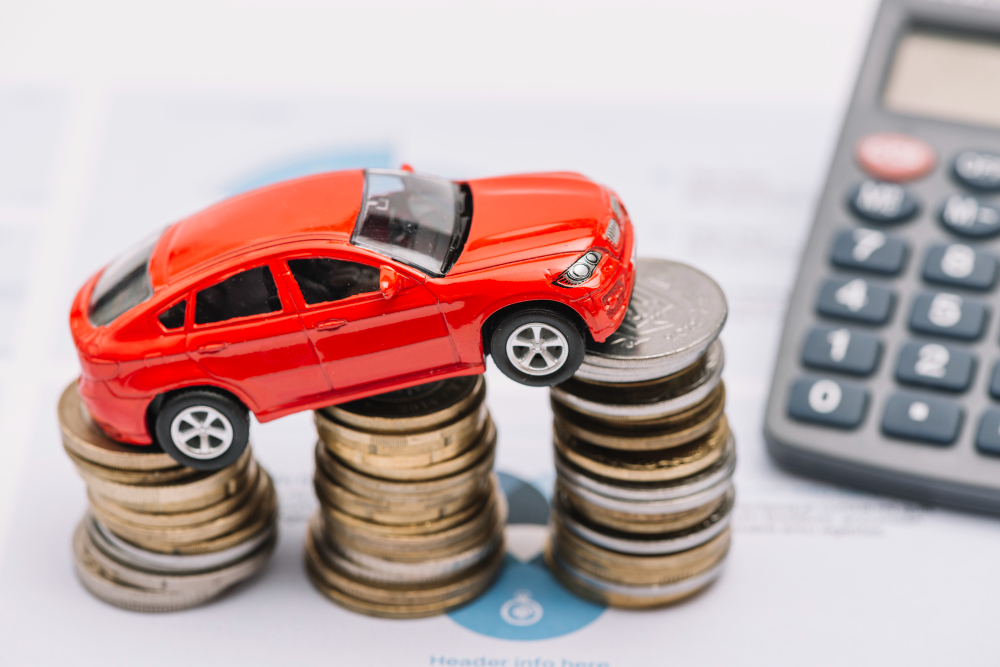
Gap auto insurance, short for Guaranteed Asset Protection (GAP) insurance, covers the difference between your vehicle’s actual cash value and the amount you still owe on your loan or lease if your car is totaled or stolen.
Key Features
Loan/Lease Protection: Pays the remaining balance if your car’s value is lower than what you owe.
Depreciation Coverage: Helps offset the rapid depreciation of new vehicles.
Total Loss Coverage: Applies when your car is declared a total loss due to an accident or theft.
Optional Add-On: Typically purchased alongside collision or comprehensive insurance.
How It Works
If your car is totaled, your insurer pays the actual cash value of the vehicle.
If the payout is less than your remaining loan balance, gap insurance covers the difference.
Without gap insurance, you would have to pay the remaining loan amount out of pocket.
Who Should Consider It?
Drivers who finance or lease a vehicle with little or no down payment.
Owners of new cars, which depreciate quickly.
Those with long-term auto loans, where the loan balance remains high for years.
-
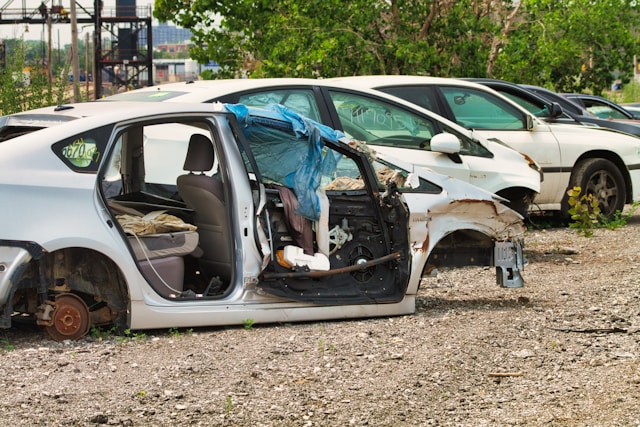
Usage-Based Auto Insurance (UBI) is a personalized insurance model where premiums are determined by driving behavior and mileage rather than fixed rates. It uses telematics technology to track how, when, and how much you drive, rewarding safe and low-mileage drivers with lower premiums.
Key Features
Pay-As-You-Drive (PAYD): Premiums are based on total mileage driven.
Pay-How-You-Drive (PHYD): Premiums adjust based on driving habits like speed, braking, and acceleration.
Telematics-Based Tracking: Uses GPS, mobile apps, or plug-in devices to monitor driving behavior.
Safe Driving Rewards: Discounts for cautious driving and avoiding risky behaviors.
Flexible Premiums: Costs vary based on actual vehicle usage rather than estimates.
How It Works
A telematics device or mobile app tracks driving data, including speed, braking, and mileage.
Insurers analyze the data to determine risk levels and adjust premiums accordingly.
Drivers who drive less or practice safe driving pay lower insurance costs.
Third-Party Auto Insurance is a mandatory insurance policy that covers damages or injuries caused to a third party by the insured vehicle. It does not cover damages to the policyholder’s own vehicle.
Key Features
Third-Party Property Damage: Covers repair costs for damages caused to another person’s vehicle or property.
Personal Injury Coverage: Pays for medical expenses if a third party is injured due to the insured vehicle.
Legal Liability Protection: Covers legal expenses if the policyholder is sued for damages.
Mandatory by Law: Required under the Motor Vehicles Act in many countries.
Exclusions
Own Vehicle Damage: Does not cover repairs for the insured vehicle.
Driving Under Influence: No coverage if the driver was intoxicated.
Unauthorized Usage: No protection if the vehicle was used for illegal activities.