
Marine Insurance
Hum Hai SurePath Financial Pvt Ltd
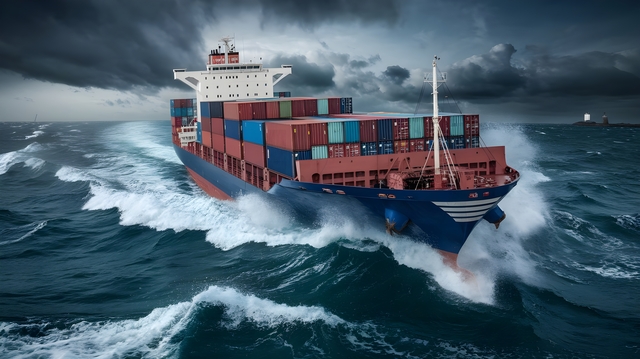
Marine insurance provides financial protection against loss or damage to ships, cargo, terminals, and other transport-related assets during transit. It ensures that businesses and individuals involved in shipping can recover financially from unforeseen events.
- Cargo Protection: Covers goods transported by sea, air, or land.
- Hull Insurance: Protects ships and vessels against physical damage.
- Marine Liability Insurance: Covers third-party claims for injuries or damages caused by maritime operations.
- Natural Disaster Coverage: Includes protection against storms, sinking, and collisions.
- Piracy & Theft Protection: Helps recover losses due to hijacking or theft.
Features Of Marine Insurance
-
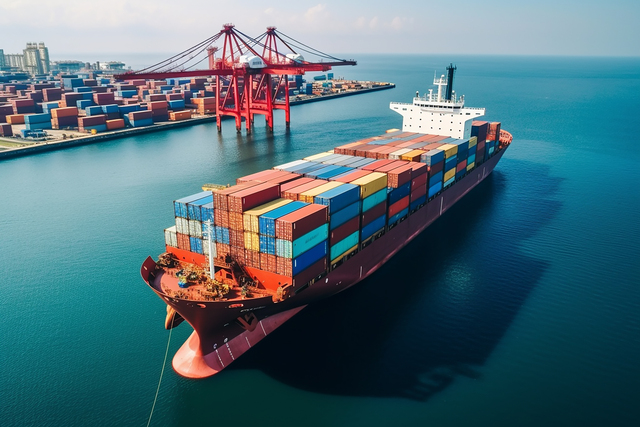
Cargo Marine Insurance provides financial protection for goods and merchandise transported by sea, air, or land against risks such as damage, theft, loss, and natural disasters. It ensures that businesses and individuals can recover financially if their cargo is affected during transit.
Key Features
Comprehensive Coverage: Protects cargo from fire, theft, piracy, and accidents.
Transit Protection: Covers goods transported by ships, trucks, airplanes, and rail.
Customizable Policies: Options include specific voyage coverage, annual policies, and open cover agreements.
Liability Coverage: Some policies include third-party liability for damages caused by cargo.
Institute Cargo Clauses: Standardized terms (A, B, or C) define the level of protection.
Types of Cargo Marine Insurance
Specific Voyage Policy – Covers a single shipment from one location to another.
Open Cover Agreement – Provides continuous coverage for multiple shipments over a set period.
Sales Turnover Policy – Covers all necessary transits related to a company’s sales.
Annual Policy – Protects cargo shipments for 12 months against various risks.
-
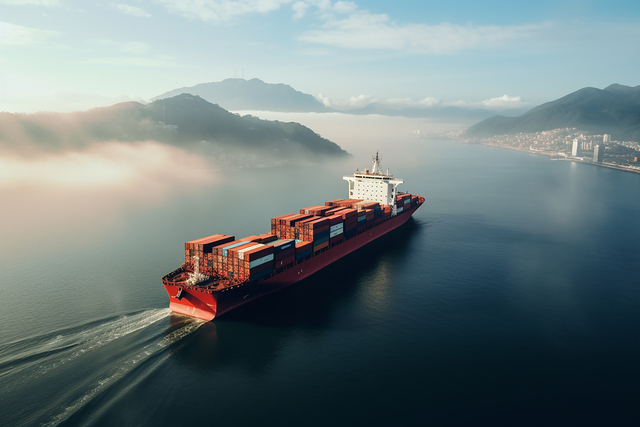
Freight Marine Insurance provides financial protection for freight charges incurred during the transportation of goods by sea, air, or land. It ensures that businesses and freight forwarders can recover losses if cargo is damaged or lost during transit.
Key Features
Freight Cost Protection: Covers the cost of transporting goods, including loading and handling fees.
Cargo & Freight Coverage: Insures both the goods and the freight charges separately.
Loss & Damage Compensation: Provides reimbursement if cargo is lost or damaged during transit.
Liability Coverage: Protects freight forwarders and carriers from financial risks.
Customizable Policies: Freight insurance can be tailored based on shipping contracts and cargo value.
How It Works
Freight charges are calculated based on weight, volume, and distance.
If cargo is lost or damaged, the insurance policy covers both the value of goods and freight costs.
Claims require proof of loss, such as shipping documents and incident reports.
-
Marine Liability Insurance provides financial protection against third-party claims arising from maritime operations. It covers losses, damages, and legal liabilities that shipowners, cargo handlers, and transport operators may face due to accidents, environmental damage, or injuries.
Key Features
Third-Party Liability: Covers damages to other vessels, cargo, or property.
Personal Injury Coverage: Provides compensation for injuries or deaths of crew members or passengers.
Cargo Liability: Protects against losses or damages to transported goods.
Environmental Damage Protection: Covers costs related to oil spills or pollution.
Wreck Removal Liability: Pays for expenses related to removing a sunken or damaged vessel.
Types of Marine Liability Insurance
Cargo Liability – Covers losses due to theft, piracy, or accidental damage.
Third-Party Liability – Protects against damages caused to other ships or properties.
Personal Injury Liability – Covers medical and legal expenses for crew injuries.
Hull & Machinery Liability – Provides coverage for ship damage due to collisions or grounding.
General Average Liability – Covers losses when part of the cargo is sacrificed to save the vessel.
-

Burglary and Theft Insurance provides financial protection against loss or damage caused by forced entry, break-ins, or theft at homes or businesses. While both types of insurance cover stolen property, burglary insurance specifically requires proof of forced entry, such as broken locks or damaged windows.
Key Features
Burglary Insurance: Covers losses due to forced entry into a property.
Theft Insurance: Covers losses due to unauthorized removal of property, even without forced entry.
Property Damage Coverage: Burglary insurance may cover damages to doors, windows, or security systems.
Cash & Valuables Protection: Covers stolen money, jewelry, electronics, and other assets.
Business & Home Coverage: Available for both residential and commercial properties.
How It Works
The policyholder selects a sum insured based on the value of their assets.
If a burglary or theft occurs, the insurer reimburses the cost of stolen items or damaged property.
Claims require proof of loss, such as police reports or security footage.
Hull Marine Insurance is a type of marine insurance that provides financial protection for ships, vessels, and their machinery against risks such as collisions, piracy, storms, and mechanical breakdowns. It ensures that shipowners, port authorities, and operators can recover financially from damages to their vessels.
Key Features
Hull Coverage: Protects the body of the ship from accidents, grounding, and collisions.
Machinery Protection: Covers essential equipment and machinery onboard.
Third-Party Liability: Provides compensation for damages caused to other vessels.
Natural Disaster Coverage: Includes protection against storms, earthquakes, and lightning.
Piracy & Theft Protection: Helps recover losses due to hijacking or theft.
Worldwide Coverage: Applicable to vessels operating across international waters.
Types of Hull Insurance
Brown-Water Hull Insurance – Covers vessels operating in inland waters like lakes and rivers.
Blue-Water Hull Insurance – Covers vessels traveling in large water bodies like oceans and seas.
Time Policy – Provides coverage for a specific period (e.g., one year).
Voyage Policy – Covers a vessel for a single journey.
Fleet Policy – Insures multiple vessels under one policy.
Port Risk Policy – Covers vessels while docked at a port.